

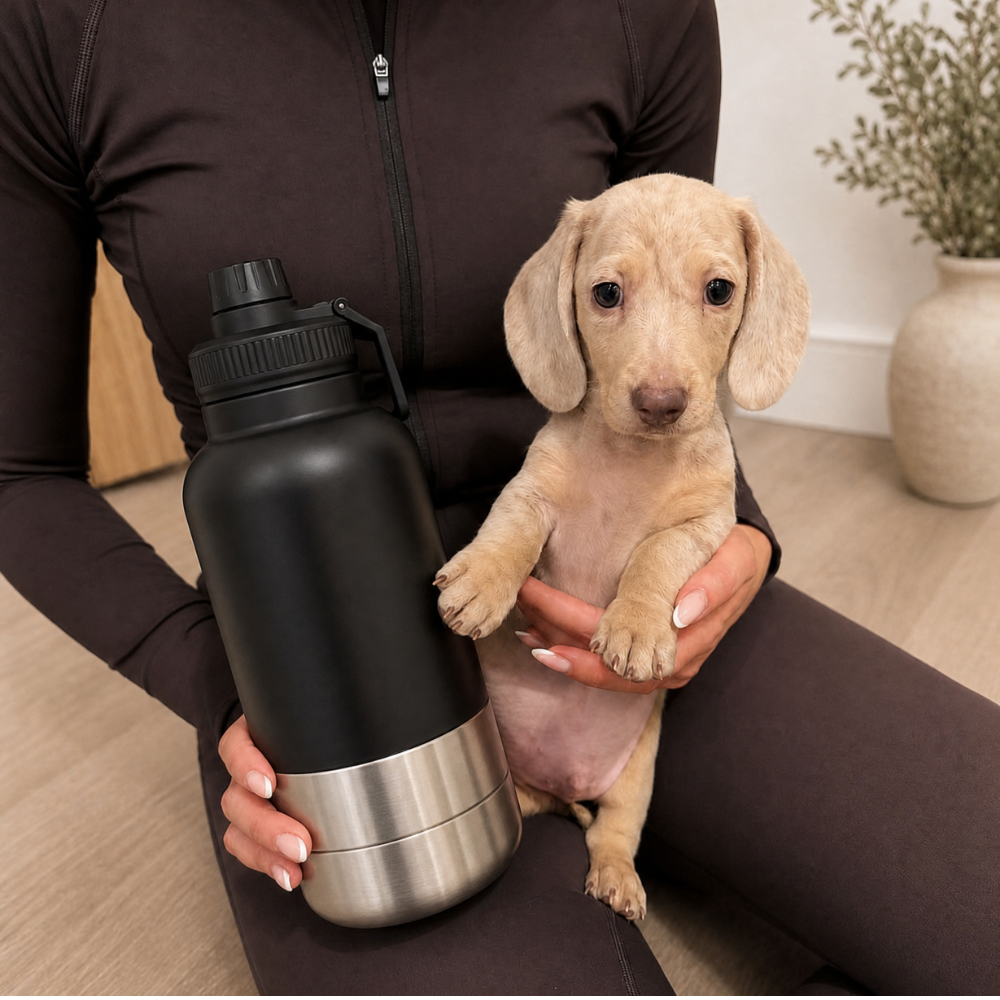
There’s something wonderfully simple about taking your dog for a walk.
Lead on. Shoes on. Door open. Off you go.
But somewhere between the first enthusiastic sniff and the inevitable “just one more stick”, there’s one thing that’s surprisingly easy to overlook: water.
Most of us remember our own bottle when heading out for a long walk. Your dog, however, relies entirely on you to make sure they have something to drink when they need it.
And if you've ever watched your dog panting after a good run around the park, you’ll know they can get thirsty rather quickly.
So, how much water does your dog actually need on a walk?
The honest answer is: there isn't one perfect amount for every dog. Their needs depend on their size, activity level, the weather, their diet and even the type of walk you're taking.
The good news? Once you understand the basics, keeping your dog hydrated is pretty straightforward.
How Much Water Does a Dog Need?
As a general everyday guide, dogs may drink around 50–60ml of water per kilogram of body weight per day, although their needs can vary considerably.
That doesn't mean you need to measure out a precise amount before every walk. Think of it more as a useful indication of their normal hydration needs.
A 10kg dog and a 30kg Labrador obviously aren't going to need the same amount of water. Add a warm afternoon, a long hike and a bit of enthusiastic zooming into the mix, and their requirements can increase.
That's why the question isn't really:
“How much water does my dog need?”
It's:
“How much water might my dog need today?”
And that's where things get interesting.
Your Walk Makes a Difference
A gentle 20-minute stroll around the neighbourhood is a very different affair from a two-hour hike through the countryside.
If you're heading out for a short, easy walk in cool weather, your dog may not drink much at all.
Take them on a longer, more energetic outing and things change.
Running, playing, climbing hills and exploring new places all require more effort. Your dog will pant to help regulate their body temperature, and they'll naturally lose moisture as they do so.
In warmer weather, that need becomes even more important.
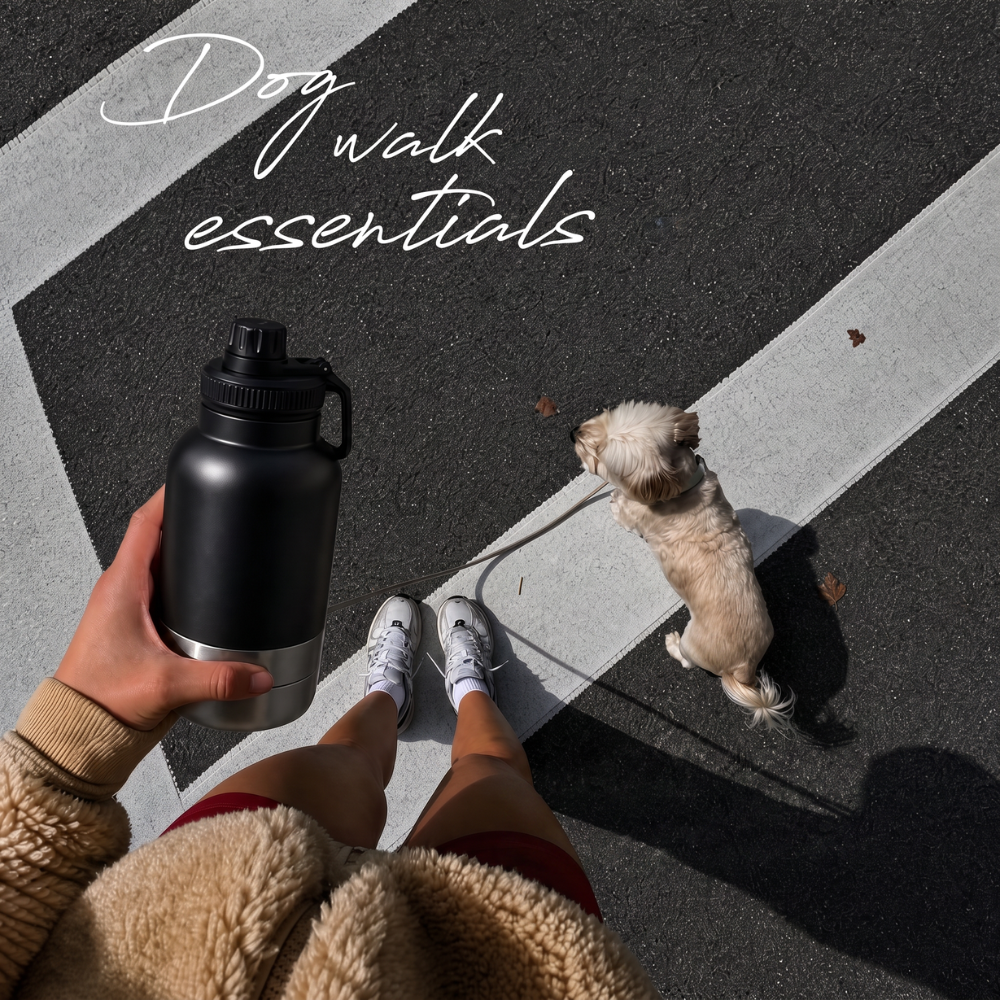
So if you're planning a longer walk, don't wait until your dog looks desperately thirsty before thinking about water. Take it with you from the start.
It’s a small bit of preparation that can make a big difference.
What About Hot Weather?
This is where hydration becomes particularly important.
Dogs don't cool themselves in quite the same way we do. Panting is one of their main ways of regulating body temperature, which means warm weather and exercise can put considerably more strain on them.
The RSPCA recommends carrying water when you're out with your dog in warm weather and offering small amounts regularly. They also advise avoiding the hottest parts of the day and making sure dogs have access to shade.
And please don't assume that a cloudy British day automatically means you're in the clear.
A warm or humid afternoon can still make a walk uncomfortable for your dog.
If the weather feels a bit much for you, there's a fair chance your dog is feeling it too.
So, How Much Should You Take?
Rather than trying to calculate an exact number of millilitres for every walk, think about how long you're going to be out and what you'll be doing.
For a short walk, a small amount may be enough.
For longer walks, hikes, beach days or road trips, you'll want considerably more.
And here's something many dog owners discover the hard way: the water isn't only for drinking.
You may need enough for your dog to have several drinks throughout the day, particularly if you're somewhere without a reliable source of clean water.
That means grabbing the little bottle you normally use for yourself and hoping it'll do the job probably isn't the best plan.
A dedicated dog travel bottle or portable water dispenser makes things considerably easier.
Don't Forget the Bowl
Have you ever poured water into your hands for your dog?
It works in a pinch.
It's also messy, wasteful and slightly ridiculous when you're halfway up a hill wondering why you didn't think this through before leaving home.
A portable bowl gives your dog somewhere comfortable to drink, while a bottle designed for travel keeps their water within easy reach.
Some all-in-one designs even combine water storage with a detachable bowl and food compartment, meaning you can leave the collection of separate containers at home.
Less to carry. Less to remember. One less thing to faff about with.
That's particularly handy when you've already got a lead, treats, poo bags, your phone, keys and whatever mysterious object your dog has decided needs carrying.
Watch Your Dog, Not Just the Clock
There's no magic number of minutes after which every dog suddenly needs a drink.
Your dog is the better indicator.
If they're panting more than usual, slowing down, repeatedly seeking shade or showing signs that they're struggling with the heat, it's time to stop and reassess.
Give them a chance to rest somewhere cool and offer water.
The RSPCA lists heavy panting, difficulty breathing, excessive drooling, lethargy, vomiting and collapse among signs of overheating. Heatstroke can be life-threatening and requires urgent veterinary attention.
So don't treat excessive panting as simply your dog being “knackered” after a good walk.
Sometimes they're telling you they need a break.
Can Dogs Drink Too Much Water?
Interestingly, yes.
While dehydration is an important concern, drinking excessive amounts of water very quickly can also be dangerous. Water intoxication is rare, but it can occur, particularly during activities involving lots of swimming or repeatedly retrieving objects from water.
There's no need to panic every time your dog has a particularly enthusiastic drink.
Just keep an eye on them and avoid encouraging them to gulp huge amounts unnecessarily, especially after intense water play.
For normal walks, offering regular access to fresh water is the sensible approach.
A Simple Rule for Dog Walks
Here's an easy way to remember it:
Short walk + cool weather = small amount may be enough.
Long walk + lots of exercise = bring plenty.
Warm weather = bring more and offer it regularly.
Hike, beach day or road trip = always take a dedicated supply.
And if you're ever unsure about your dog's individual hydration needs, particularly if they have a medical condition, are very young, elderly or have specific dietary requirements, your vet is the right person to ask.
Make Hydration One Less Thing to Think About
The funny thing about being a dog owner is that you spend an extraordinary amount of time thinking about things you never expected to think about.
Is that stick safe?
Why are they eating grass?
Where did they get that?
Why are they staring at the wall?
And, of course:
Did I bring enough water?
The last one is easily solved.
A good walk should leave you thinking about the muddy paws, the wagging tail and the ridiculous amount of sniffing your dog managed to fit into an hour.
Not whether they'll have enough water for the journey home.
That's why keeping fresh water close at hand is such a simple part of being prepared. A compact, insulated travel bottle with a built-in or detachable drinking bowl can take the hassle out of carrying separate bottles and bowls, particularly when you're heading further afield.
At Novapaw, we're all for making those little details easier.
Because your attention should be on where you're going together, not on everything you're carrying to get there.
So next time the lead comes out and your dog starts doing that unmistakable little dance by the door, grab the water too.
Then go.
The park is waiting.
And, chances are, there's a stick with your dog's name on it.

Leave a comment
This site is protected by hCaptcha and the hCaptcha Privacy Policy and Terms of Service apply.